

The Science Behind Saponification: Understanding Its Role in Paint Failure.
In the world of construction, painting is often viewed as the final touch, the aesthetic layer that transforms raw structures into finished spaces. However, beneath that smooth, clean surface lies a complex interaction of chemistry, materials and environmental conditions. One of the most overlooked yet destructive chemical processes affecting painted surfaces is saponification. While the term may sound technical, saponification’s impact is very real and costly. From bubbling paint to complete coating failure, saponification is a silent culprit that continues to challenge contractors, property owners and maintenance professionals alike.
Wat Is Saponifikasie?
Saponification is a chemical reaction between alkalis (typically from cement-based substrates), moisture and oil-based paints, moreover, when these elements combine, they produce a soap-like substance that compromises the integrity of the paint film. Yes, literally soap. This reaction breaks down the binding properties of oil-based coatings, turning what should be a durable, protective layer into a soft, unstable residue.
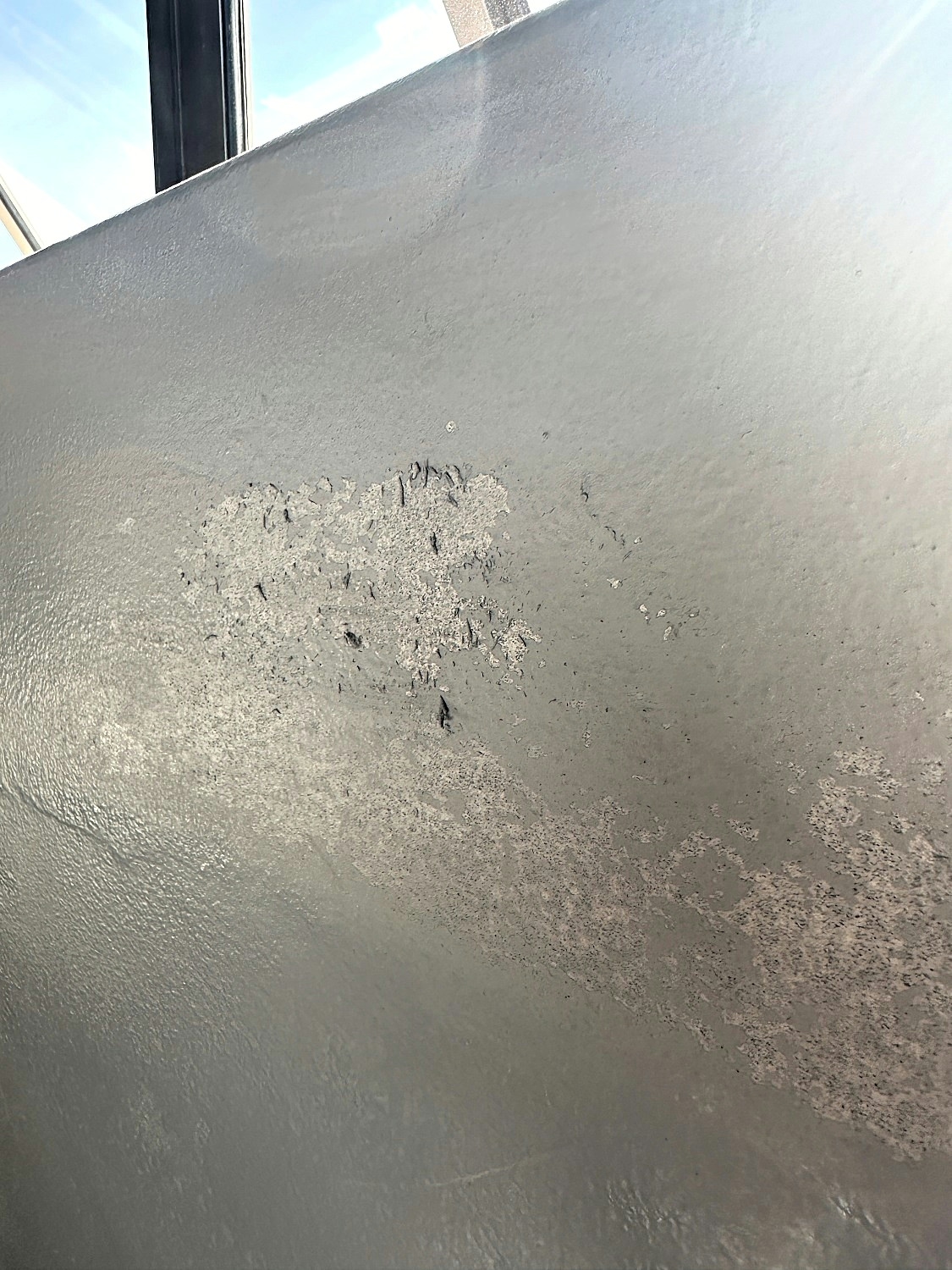
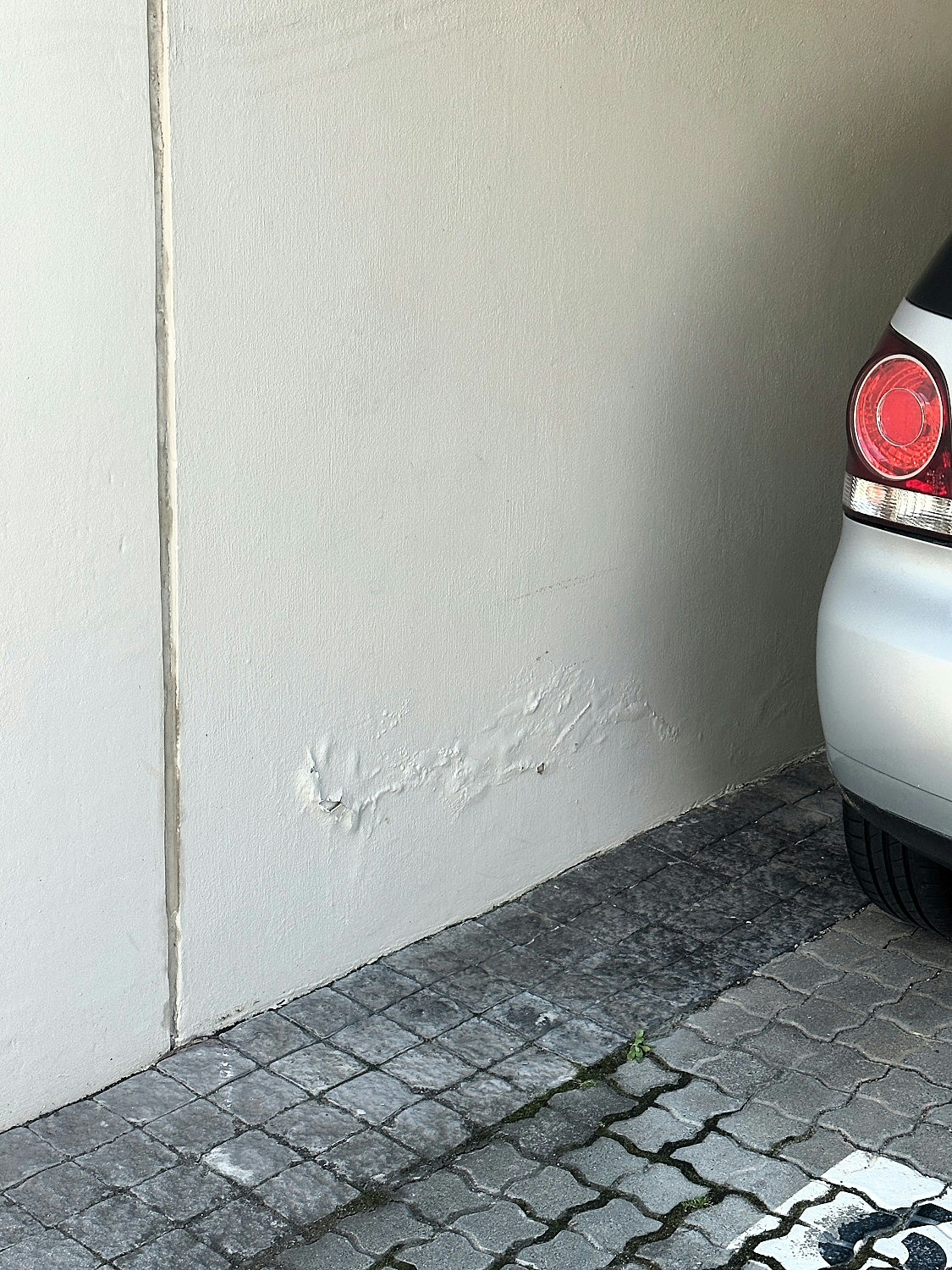
Over time, saponification leads to visible deterioration such as:
Peeling and flaking.
Discoloration.
Loss of adhesion.
Surface softening.
What begins as a seemingly minor issue can escalate into widespread paint failure if left unaddressed.
What is the Chemistry Behind the Saponification?
To fully understand saponification, it’s important to look at the materials involved. Cement-based surfaces, like concrete and plaster, naturally contain alkaline compounds, particularly calcium hydroxide. When moisture is introduced (through rain, rising damp or poor waterproofing) these alkalis become mobile.
What happens if we introduce an oil-based paint into this environment? The fatty acids in oil-based paints react with these alkalis in the presence of water. This chemical reaction forms metallic soaps, which weaken the paint’s structure and adhesion. The result, is a coating that can no longer perform its intended function.
Why Moisture Is the Trigger for Saponification?
Moisture is the catalyst that brings this entire reaction to life, however without water, the alkalis in cement remain relatively stable. But once moisture enters the system, whether from internal dampness or external exposure, it activates the chemical process. This is why saponification is most commonly found in areas such as:
Bathrooms and kitchens.
Exterior walls exposed to rain.
Poorly waterproofed basements.
Newly constructed surfaces that have not fully cured.
It’s also worth noting that trapped moisture is particularly dangerous. When water cannot escape, it intensifies the reaction and accelerates paint degradation.
Saponification Oil-Based vs Water-Based Paint: What’s the Difference?
Understanding the difference between paint types is critical when discussing saponification.
Oil-based paints are highly susceptible to saponification because they contain the fatty acids required for the reaction.
Water-based paints, on the other hand, behave differently. Instead of undergoing saponification, they tend to show signs like blistering, peeling, or efflorescence when exposed to moisture.
This distinction is key when selecting the right coating system for a project. Applying oil-based paint to a damp, alkaline surface is essentially setting the stage for failure.
What are the signs of Saponification in Paint?
Saponification doesn’t always announce itself immediately. However, there are tell-tale signs that professionals should look out for:
A soft, sticky, or greasy residue on the paint surface.
Paint that appears to “melt” or lose structure.
Uneven patches or staining.
Persistent peeling despite repainting.
These symptoms often reappear even after repairs if the root cause, moisture and alkalinity, is not properly addressed.
The Cost of Ignoring the Saponification?
Paint failure is more than just an aesthetic issue moreover it’s a financial one. When coatings fail prematurely, property owners face:
Repainting costs.
Surface preparation expenses.
Potential structural damage from prolonged moisture exposure.
For contractors and professionals, it can also mean reputational damage and callbacks. Understanding saponification isn’t just about chemistry, it’s about protecting investments and ensuring long-term performance.
How to prevent Saponification?
The good news? Saponification is preventable. By taking a proactive approach, professionals can significantly reduce the risk of paint failure.
- Control Moisture: Moisture management is the single most important factor.
Ensure proper waterproofing systems are in place. Address leaks, dampness and drainage issues. Allow new surfaces to fully cure before painting. - Choose the Right Paint System: Material compatibility matters.
Avoid oil-based paints on alkaline or moisture-prone surfaces. Opt for high-quality, breathable water-based coatings where appropriate. - Test the Substrate; Before painting, always assess the condition of the surface: C
Check for moisture content. Test pH levels.
Identify any underlying issues. - Use Appropriate Primers:
Primers act as a barrier between the substrate and the topcoat. Use alkali-resistant primers. Ensure proper adhesion and sealing.
The Bigger Picture: Lessons in Material Science. Saponification.
Saponification is more than just a paint problem; it’s a powerful reminder of how materials interact. In construction, no element exists in isolation. Every coating, surface and environmental factors plays a role in the final outcome. Ignoring these relationships can lead to failure, while understanding them leads to durability and success. This is where experience meets science. Saponification may not be a household term, but its impact is undeniable. By understanding the science behind this chemical reaction, professionals can make smarter choices, avoid costly mistakes, and deliver longer-lasting results. In an industry where quality and durability are everything, knowledge isn’t just power, it’s protection. Because at the end of the day, a successful paint job isn’t just about how it looks today, it’s about how well it performs tomorrow.
Want to protect your next project from premature paint failure? Start with the science. Finish with confidence. Call Midas Paints Paarl.
How to stop Saponification?
Contact Midas Paintsmiths Tygervalley, Strand and Paarl.
How to stop Saponification?
Contact Midas Paintsmiths Tygervalley, Strand and Paarl.
Midas Paints Tygervalley 021 910 0134
64-70 Edward Street, Tygervalley, Bo Oakdale, Cape Town, 7530.
4J8P+H2 Bellville, Cape Town
Midas Paints Strand Somerset West 021 851 0913
7 Henry Vos Cl, Asla Park, Cape Town, 7140
VVV4+R9 Strand, Cape Town
Midas Pains Paarl 021 879 5095
41 Main Rd, Paarl, Cape Town, 7646
6XM6+W9 Paarl
https://midaspaintspaarl.co.za/why-damp-proofing-matters-this-season/
https://midaspaintspaarl.co.za/environmentally-sustainable-painting-industry/
https://midaspaintspaarl.co.za/envirowash-envirolite-paint-disposal-system/
Midas Paints Tygervalley, Verfverskaffer Kaapstad.
GEBORE UIT PASSIE. BEHEER DEUR TRADISIE
Midas Paints Tygervalley
64-70 Edward Street, Tygervalley, Bo Oakdale, Cape Town, 7530.
Google Plus Code 4J8P+H2 Bellville, Cape Town
-33.883575, 18.635055
Call Midas Paints Tygervalley now 021 910 0134
Midas Paints Paarl, Verfverskaffer.
GEBORE UIT PASSIE. BEHEER DEUR TRADISIE
Midas Paints Paarl.
41 Main Rd, Paarl, Cape Town, 7646
Google Code 6XM6+W9 Paarl
-33.76518114873283, 18.96088235263178
Skakel Midas Paints Paarl 021 879 5095
Midas Paints Strand Somerset Wes
GEBORE UIT PASSIE. BEHEER DEUR TRADISIE
Midas Paints Strand Somerset West
7 Henry Vos Cl, Asla Park, Cape Town, 7140
Google Code VVV3+WM Strand, Cape Town
-33.76463329801787, 18.96255239828295
Skakel Midas Paints Strand Somerset Wes nou 021 851 0913


